
Is Energy Healing Right for You? Signs Your Body Is Asking for Support
Written By Elizabeth Robb
Published on: 7/17/2026
Lebanon, PA - Energy healing is an umbrella term, not one specific technique. Reiki is the most well-known example, but light-touch and no-touch bodywork, some forms of sound healing, and certain acupressure-based practices all get grouped under it too. The common thread isn't a shared belief system — it's the approach: instead of targeting one physical symptom directly, a practitioner works with the body as a whole, aiming to help it settle into a calmer, more regulated state.
You don't need to believe in anything specific for a session to be worth trying. Plenty of people go in skeptical and simply treat it as an hour of enforced stillness, which on its own is something most of us don't get enough of.

Signs Your Body Might Be Asking for This Kind of Support
A few things we hear over and over from people who end up trying energy healing for the first time:
You're tired in a way that a full night's sleep doesn't touch
You feel "on" or wired most of the day, even when nothing urgent is actually happening
Everything checks out fine medically, but something still feels off
You've tried massage or meditation and liked the calm they brought, but wanted something gentler or less physically hands-on
You're carrying stress that doesn't have one clear cause you can point to and fix
None of these are a diagnosis of anything — they're just common, ordinary reasons people decide to try a session. If more than one of these sounds familiar, that's usually enough of a reason to give it a try, not a sign that something's medically wrong.
What This Isn't
Energy healing isn't a replacement for medical care, and it's not meant to diagnose or treat a specific condition. If you have an ongoing health concern, keep your doctor in the loop and treat this as something you're adding, not swapping in.

The Biggest Misconception About Trying It
The most common worry people bring to a first session is that something dramatic is supposed to happen — crying, visions, a big emotional release — and if it doesn't, they assume it "didn't work." That's not the bar. Some people report warmth, tingling, or a sense of heaviness settling in; plenty of others just feel like they had a really good, quiet lie-down and nothing more dramatic than that. Both are normal outcomes, not a sign of success or failure.
The other misconception is that it's religious or requires a specific spiritual outlook. Most practitioners run it as a secular, practice-based service — you don't need to subscribe to anything to lie down and let an hour be quiet.
What Actually Happens in a Session
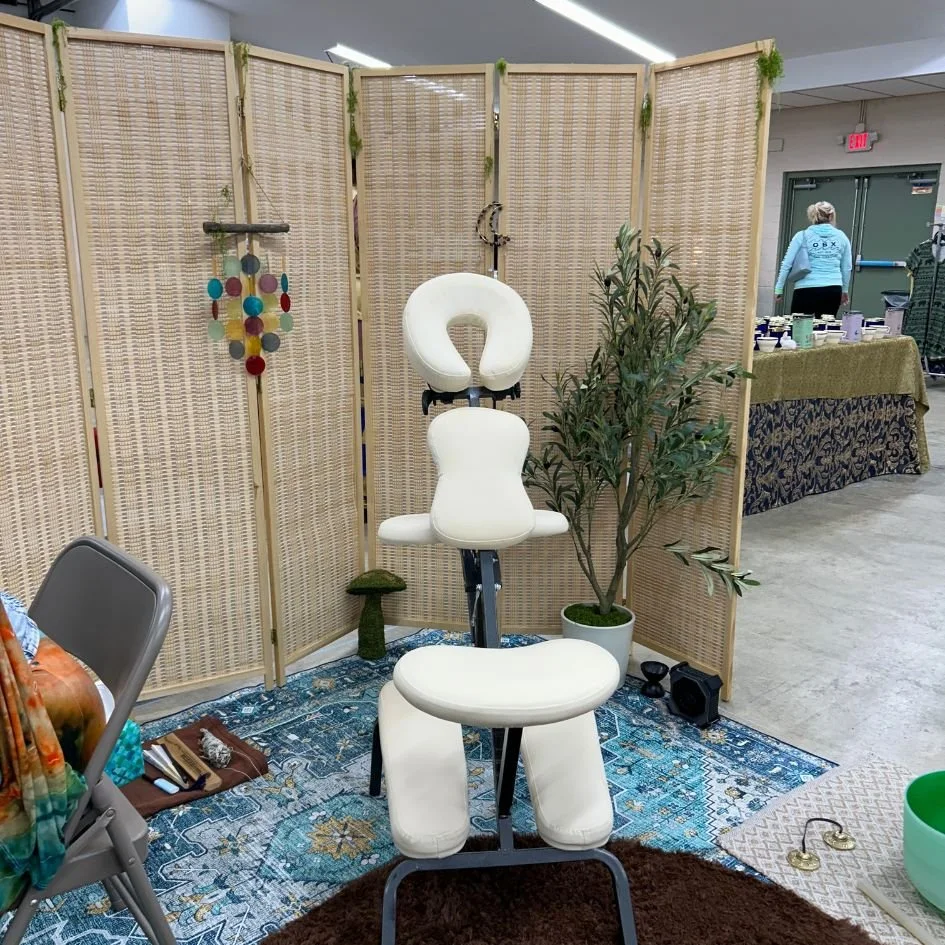
Sessions are typically fully clothed, with you lying down on a table, similar to a massage setup. The practitioner's hands either hover just above the body or rest lightly on it, moving slowly through a sequence. The room is usually quiet, sometimes with soft music or a single sound bowl. It's common for people to doze off partway through — that's not considered rude or a sign you're not "doing it right," it's actually one of the more typical responses.
Afterward, most people describe feeling looser, calmer, or just generally lighter, the way you might after a long walk or a good stretch — our piece on how crystals can enhance your energy and mood covers a related, gentler entry point if a full session feels like a bigger first step than you want to take.

A Low-Stakes Way to Try It
If you're curious but not ready to book a full private session somewhere unfamiliar, the expo floor is a genuinely easier first step. You can watch a practitioner work, ask questions about what a session involves before committing to one, and often try a shorter taste-of-the-practice version in a public, low-pressure setting. Tickets to our September 13th expo at the Lebanon Valley Expo Center are $10.60, and energy-work practitioners are typically set up alongside our other bodywork and sound vendors.
If you'd rather start with something you can do at home first, our guide to herbal remedies and natural healing is a gentler on-ramp before trying a hands-on practitioner.
How Do I Know If It's Actually Working?
There's no single sign that confirms it "worked" — feeling calmer, sleeping better that night, or just feeling like you took an hour for yourself all count. If you try one session and come away unconvinced, that's a completely reasonable outcome too — it's not for everyone, and it doesn't need to be.
Curious to see it in person before deciding? Read more about what to expect at the Greater Wellness Holistics Expo and plan to stop by the bodywork section first.
