
How to Support Your Cycle, Mood & Energy in Winter Time in PA
Written By Elizabeth Robb
Published on: 11/7/2025
Early Bird Tickets
Get on the Waitlist!
〰️
Early Bird Tickets Get on the Waitlist! 〰️

Winter hits differently when you’re a woman.
The cold, the early sunsets, the stress of routine changes—it all settles into your body in ways that feel deeper and heavier than the rest of the year.
If you’ve ever wondered why your moods feel bigger, your cycle feels louder, or your energy feels unpredictable in the colder months, you’re not imagining it. Winter creates genuine physiological shifts that affect hormones, sleep, metabolism, emotions, and your menstrual cycle.
The good news?
Your body isn’t working against you. It’s responding to your environment—and when we honor that response, winter becomes less of a fight and more of a rhythm we can move with.
Here’s how to support your cycle, mood, and energy holistically through the coldest months of the year.
1. Support Your Cycle with Warmth & Mineral-Rich Nutrition

In winter, the body naturally contracts. Blood flow slows, muscles tighten, and your cycle can feel:
more crampy
more clotty
more irregular
more sensitive
This is because warmth and circulation are essential for menstrual comfort—and winter pulls both inward.
Try this:
Warm foods + warm habits = a happier cycle.
Soups, stews, and slow-cooked meals
Herbal teas (ginger, cinnamon, raspberry leaf)
Warm socks & heating pads
Avoiding cold food during your luteal and menstrual phases
And don’t underestimate minerals—especially magnesium, iron, and B vitamins.
Increased tension + lower sunlight = faster magnesium depletion, which can intensify PMS and cramps.
This is where magnesium lotions and sprays shine in winter: topical absorption provides faster relief for cramps, back tension, and restlessness—without relying on digestion, which slows in colder weather.
2. Boost Mood With Light, Movement & Nervous System Support
Winter mood changes aren’t “just seasonal blues”—they are hormone-level shifts triggered by:
reduced sunlight
lower dopamine & serotonin
disrupted circadian rhythms
vitamin D drops
increased sedentary time
Women tend to experience these shifts more intensely due to estrogen’s relationship with serotonin.
Gentle ways to support winter mood:
☀️ Get morning light—even 5 minutes
This stabilizes circadian rhythms and boosts serotonin production.
🌬️ Try breathwork or vagus-nerve soothing
longer exhales
humming
warm showers
hand-over-heart grounding
🌿 Add adaptogens (if you tolerate them)
ashwagandha
holy basil
maca
rhodiola
These can help soften stress reactivity—but always listen to your body first.
✨ Create a winter-specific joy ritual
Because winter requires intentional joy, not accidental joy:
a warm drink ritual
a cozy weekly bath
journaling under a blanket
a weekly night for absolute rest
Small habits make a bigger difference this time of year.

3. Keep Your Energy Steady with Blood Sugar & Breath-work
Winter fatigue is normal—but not inevitable.
Lower daylight affects cortisol, which affects blood sugar, which affects energy. That’s why winter exhaustion can feel random and overwhelming.
Two of the most supportive ways to stabilize winter energy:
1. Blood sugar-friendly habits
You don’t need perfection—just grounding routines:
protein within 90 minutes of waking
balancing carbs with protein/fat
avoiding big caffeine on an empty stomach
consistent meals in the luteal phase
2. Magnesium + movement
Topical magnesium (like magnesium lotion or spray) helps with:
muscle relaxation
stress normalization
steady energy
reduced fatigue
Pair it with gentle winter movement:
stretching
slow yoga
walking indoors
Pilates
gentle strength work
Winter exercise isn’t about intensity—it’s about signaling safety to your nervous system.

4. Honor the Natural Slow-Down of Winter
One of the biggest mistakes women make is holding themselves to summer expectations in a winter body.
We’re not meant to push, hustle, or operate at the same pace in January as we do in July.
Winter is biologically a time for:
inward reflection
slower pacing
more sleep
deeper nourishment
reduced output
If you feel like you’re “failing” in winter—
you’re actually syncing with nature more than you realize.
Supporting your cycle and mood starts with releasing unrealistic standards and replacing them with soft, sustainable rhythms.
5. Use Winter-Friendly Holistic Tools
Cold weather makes certain tools extra supportive.
Tools that pair beautifully with winter wellness:
Magnesium lotions & sprays (for tension, sleep, cramps)
Essential oil rollers (lavender, peppermint, eucalyptus, clary sage)
Herbal teas for hormonal support
Warm baths with mineral salts
Heating pads & warm packs
Mindfulness + grounding rituals
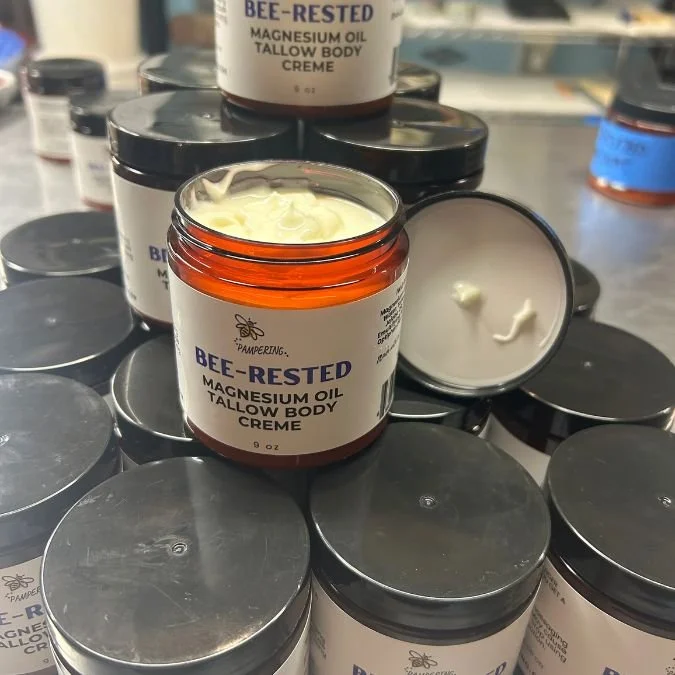
Brands like Honeybee Pampering, a vendor at our Greater Wellness Holistics Expo, offer clean, magnesium-infused wellness products that fit naturally into a winter routine.
These tools aren’t meant to “fix” you—they’re meant to support the version of you that winter requires.

Winter doesn’t have to feel heavy or chaotic.
When we understand how our bodies respond to shorter days and colder months, we can support ourselves with compassion instead of frustration.
Your cycle, your mood, and your energy aren’t misbehaving—they’re communicating.
They’re asking for warmth.
For nourishment.
For a slower pace.
For minerals and rest and grounding routines.
Holistic wellness isn’t about becoming someone else—it’s about returning to the version of you who feels balanced, connected, and supported, no matter the season.To explore more holistic insights and wellness tips, visit:
👉 https://www.greaterwellnessholistics.com
