
Winter Slow Living Rituals: Grounding Practices for Holistic Wellness
Written By Elizabeth Robb
Published on: 2/20/2026

Learn about Winter Slow Living for healing, from the Greater Wellness Holistics Expo
Winter doesn’t whisper.
It asks.
It asks us to rest when the world keeps pushing productivity.
It asks us to soften when everything feels tense.
It asks us to slow down—even when slowing down feels uncomfortable.
At Greater Wellness Holistics, we believe winter is not a season to endure. It’s a season to honor. And slow living isn’t about doing less for the sake of aesthetics—it’s about living in rhythm with your nervous system, your energy, and the natural cycles around you.
If you’ve been feeling overwhelmed, disconnected, or emotionally tired, this isn’t a sign that something is wrong. It’s often a sign that your body and spirit are craving slower, more intentional care.
What Is Slow Living (Really)?
Slow living is often misunderstood as a lifestyle reserved for people with unlimited time.
In reality, slow living is a nervous system practice.
It’s the intentional choice to:
reduce overstimulation
prioritize presence over productivity
create rituals that support regulation
honor seasonal energy shifts
Winter slow living doesn’t require a full life overhaul. It begins with small, grounded practices that signal safety to the body.
Why Winter Is the Season for Slowing Down
From a holistic perspective, winter is associated with rest, reflection, and inward energy. Many traditional wellness systems—Ayurveda, Traditional Chinese Medicine, and folk traditions—recognize winter as a time to conserve energy rather than expend it.
When we resist this seasonal rhythm, we often experience:
burnout
anxiety
lowered immunity
emotional fatigue
disconnection from self
Slow living rituals help us move with the season instead of against it.
Ritual 1: Morning Grounding Before Screens
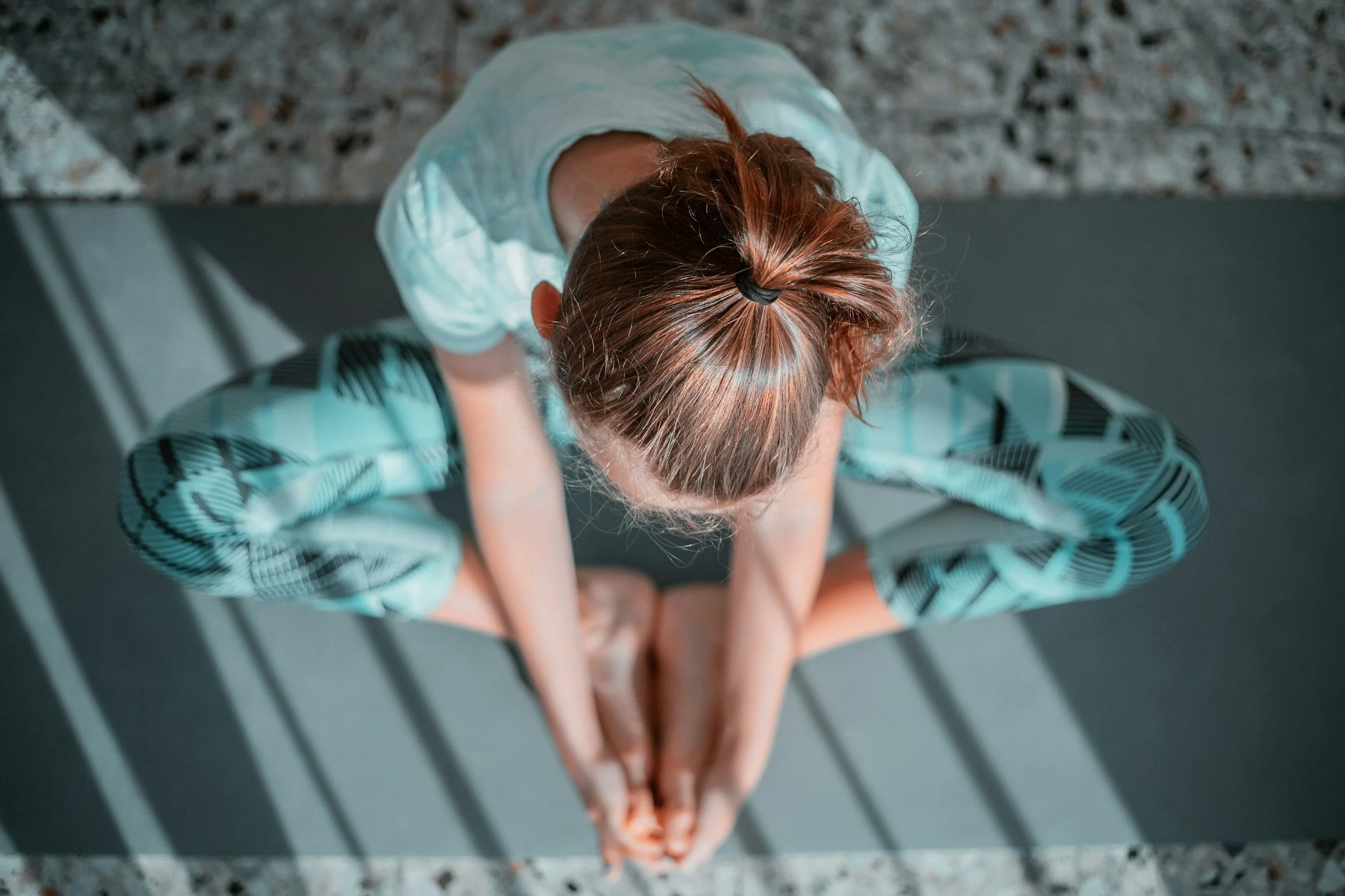
One of the most impactful slow living rituals is how you begin your day.
Before emails, social media, or news, try:
placing your feet on the floor
taking five slow breaths
placing a hand on your chest or belly
asking: What does my body need today?
This simple pause grounds the nervous system and shifts the body out of fight-or-flight before the day even begins.
Ritual 2: Warmth as Medicine
Winter slow living centers warmth—not just physical warmth, but emotional warmth too.
Ways to incorporate warmth:
warm beverages instead of cold drinks
layered clothing and soft textures
heating pads or warm baths
candlelight instead of overhead lighting
Warmth communicates safety. When the body feels warm and supported, the mind naturally softens.
Ritual 3: Nourishing Evenings Without Pressure
Winter evenings are meant to be slower.
Instead of filling nights with more obligations, consider:
dimming lights after sunset
turning off notifications earlier
gentle stretching or restorative movement
quiet activities like reading or journaling
You don’t need a perfect routine. Consistency matters more than structure.
Ritual 4: Creating a Winter Altar or Sacred Space
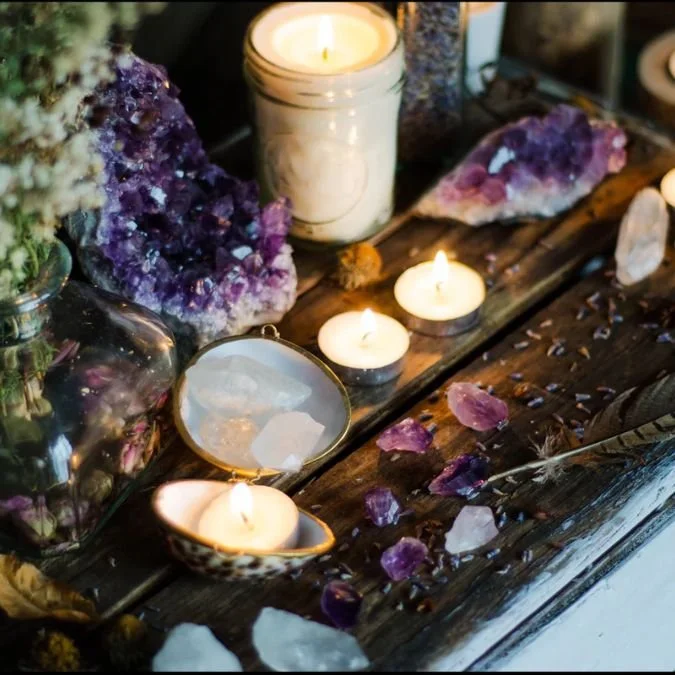
A slow living ritual doesn’t have to be spiritual to be meaningful—but many people find grounding in a small intentional space.
A winter altar might include:
a candle
a favorite stone or crystal
a handwritten intention
a photo or object that brings comfort
This becomes a visual reminder that stillness is allowed.
Ritual 5: Seasonal Journaling & Reflection
Winter invites introspection.
Instead of goal-setting, try reflective prompts:
What am I releasing this season?
Where do I feel tired—and why?
What deserves gentleness in my life right now?
Slow living honors honesty over positivity. This kind of journaling helps process emotions rather than suppress them.
Ritual 6: Nervous System Regulation
One of the most overlooked aspects of holistic wellness is overstimulation.
Winter slow living asks us to simplify:
fewer commitments
fewer inputs
fewer expectations
This isn’t quitting—it’s recalibrating.
Reducing stimulation allows the nervous system to reset, improving sleep, digestion, mood, and emotional resilience.
Ritual 7: Rest Without Earning It
Perhaps the most radical slow living ritual is rest without justification.
Rest is not a reward for productivity.
It’s a biological need.
Whether it’s a nap, an early bedtime, or a day with no plans, winter gives us permission to rest deeply—if we allow it.
Slow Living Is a Practice, Not a Personality

You don’t have to become a different person to live slowly.
Slow living can exist inside:
busy households
full schedules
caregiving roles
demanding work lives
It’s not about perfection—it’s about presence.
At Greater Wellness Holistics, we believe wellness is built through small, compassionate choices repeated over time.
Winter as a Teacher
Winter teaches us what we often forget:
that rest is productive
that stillness is healing
that slowing down is an act of self-respect
When we honor winter through slow living rituals, we nourish not just our bodies—but our spirits too.
For more seasonal wellness practices, reflections, and community-centered care, visit:
👉 https://www.greaterwellnessholistics.com

